
Investigate Portfolio
Structured diagnostic engagements that identify improvement priorities and define practical next steps.
When Organisations Use Investigative
The Investigate model is typically used when organisations need a clear understanding of their current position before committing to larger improvement initiatives.
Investigate engagements are particularly useful when:
-
IT services are under pressure but root causes are unclear
-
Improvement initiatives have stalled or lack direction
-
Service performance is inconsistent
-
Governance structures are unclear
-
Tooling and processes have evolved without coordination
-
Leadership needs an independent view of current capability
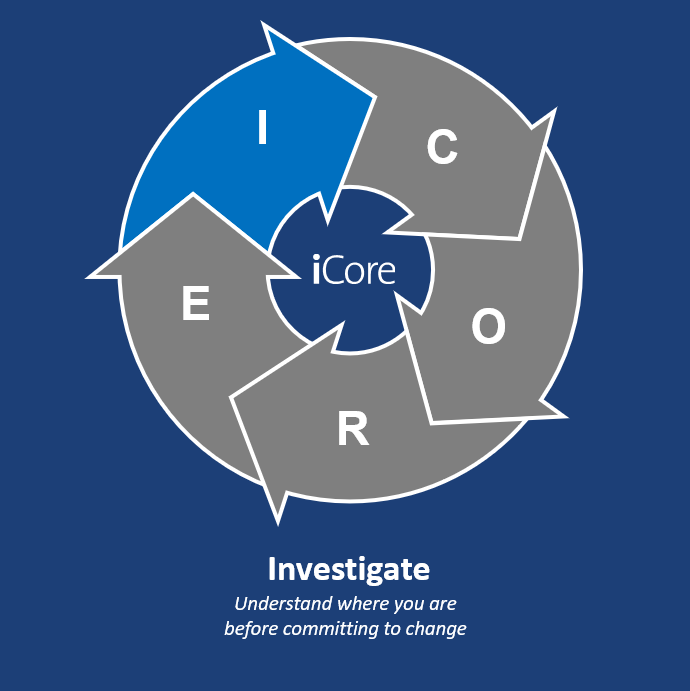
Investigate provides a structured starting point that replaces assumption with evidence and identifies practical improvement opportunities.
What Investigate Looks Like in Practice
Investigate engagements are short, structured diagnostic exercises focused on understanding current capability and identifying improvement priorities.
Each engagement is tailored to the organisation, but typically includes:
Discovery
-
Stakeholder discussions
-
Document review
-
Data analysis
-
Process walkthroughs
Assessment
- Capability review
- Identification of risks and constraints
- Analysis of performance data
- Identification of improvement opportunities
Validation
-
Review sessions with stakeholders
-
Confirmation of findings
-
Refinement of recommendations
Defintion
-
Clear problem statements
-
Prioritised improvement areas
-
Practical next steps
The objective is not to produce theoretical assessments but to define practical actions that can be implemented.
Typical Duration
Investigate engagements are designed to deliver rapid clarity without extended disruption.
Typical duration:
2–4 weeks
Shorter targeted Investigate engagements may be completed in 1–2 weeks when focused on a specific area.
Typical Outputs
Investigate engagements produce structured outputs that support decision-making and planning.
Typical outputs include:
-
Assessment report
-
Current capability summary
-
Identified risks and constraints
-
Improvement priorities
-
Practical recommendations
-
Suggested next steps
Outputs are designed to support executive decision-making as well as operational improvement planning.
Example Investigate Enagements
Service Desk Review
Situation
Service desk performance had deteriorated and backlog volumes were increasing.
Investigate Activities
-
Stakeholder interviews
-
Process review
-
Ticket analysis
-
Tool configuration review
Outcome
-
Root causes identified
-
Immediate stabilisation actions defined
-
Medium-term improvement roadmap produced
ITSM Capability Review
Situation
Organisation needed to understand current ITSM maturity before investing in improvement initiatives.
Investigate Activities
-
Process assessments
-
Governance review
-
Toolset review
-
Performance reporting analysis
Outcome
-
Clear maturity position established
-
Priority improvement areas identified
-
Structured improvement roadmap defined
Operating Model Review
Situation
Roles and responsibilities had become unclear following organisational change.
Investigate Activities
-
Stakeholder workshops
-
Responsibility mapping
-
Governance review
-
Documentation analysis
Outcome
-
Responsibility model clarified
-
Governance gaps identified
-
Target structure defined
Pinpoint Diagnostic
Situation
Organisation needed rapid clarity in a specific focus area before committing to improvement work.
Investigate Activities
- Structured diagnostic discussion
- Focused review of the selected area
- Targeted questions aligned to good practice
- Identification of key gaps and constraints
Outcome
- Clear view of the current position established
- Priority improvement areas identified
- Practical next steps defined
How Investigate Fits the Enagement Model
Investigate is often the starting point for organisations beginning improvement initiatives.
Typical progression:
Investigate → Counsel → Realise
or
Investigate → Orchestrate
Investigate engagements can also be used independently where organisations need clarity before making decisions.
Typical Next Steps
Following an Investigate engagement, organisations typically proceed in one of three directions:
Targeted Improvements
Focused delivery engagements addressing priority areas.
Structured Improvement Programmes
Planned improvement initiatives supported by governance and delivery structures.
Ongoing Advisory Support
Regular advisory sessions supporting internal improvement teams.
Starting an Investigate Engagement
Investigate engagements normally begin with a short scoping discussion to define the areas to be reviewed and the expected outcomes.
If you would like to explore whether Investigate would be suitable for your organisation, we would be happy to arrange an initial discussion.